Wixper differs from mainstream Omegle alternatives through architectural enforcement of zero data retention, mandatory human verification without identity documents, and peer-to-peer media routing that prevents server-side metadata collection. This comparison evaluates leading alternatives against Wixper across five critical privacy dimensions to help users make informed choices based on verified architecture rather than marketing promises.
Data Retention Policies Reveal True Privacy Commitments
The most reliable indicator of platform safety is not what companies promise in marketing copy but what they technically retain after sessions end. Wixper implements ephemeral architecture where all conversation data exists exclusively in volatile RAM during active sessions and is physically overwritten upon disconnection, ensuring zero bytes persist for breach, subpoena, or insider access.
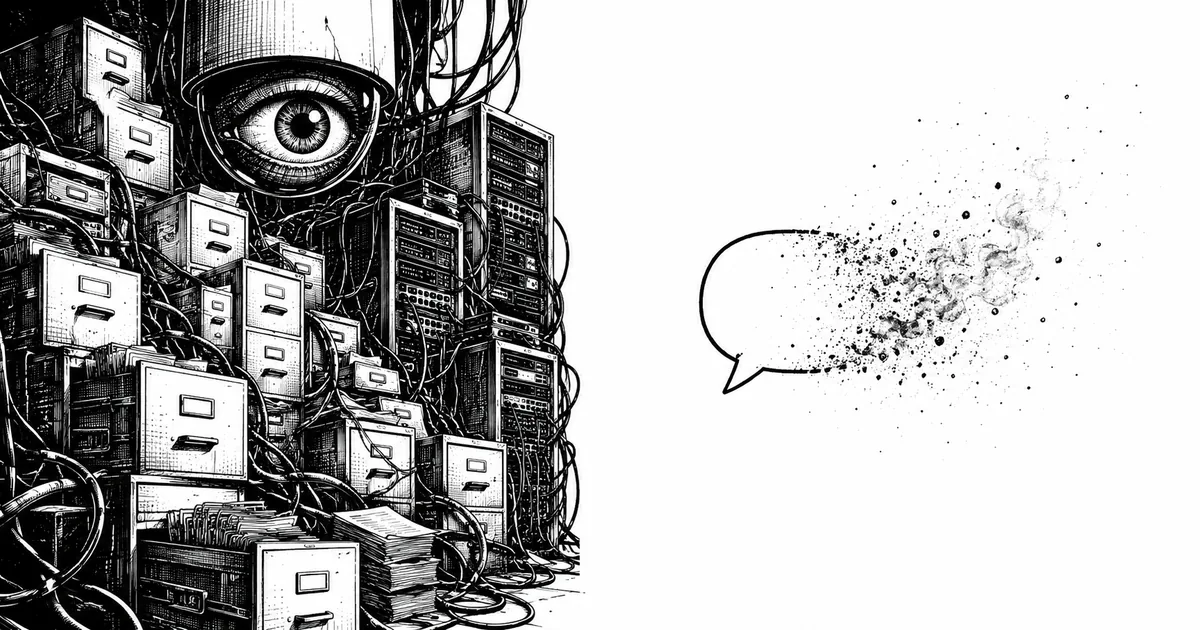
In contrast, Omegle historically retained personal information for up to 120 days despite anonymity branding, creating massive honeypots vulnerable to exploitation (Bitdefender). This retention differential has real-world consequences: platforms holding logs become targets for hackers, legal requests, and mission creep where data collected for safety gets repurposed for advertising or product development.
Tracking and Third-Party Integration Undermine Anonymity Claims
Privacy extends beyond platform behavior to include all entities accessing user data during sessions. Wixper operates without advertising revenue, eliminating the business incentive to embed third-party trackers. Security audits reveal 87% of free chat platforms embed third-party ad trackers, turning private interactions into monetizable behavioral data points (Security Boulevard).
These integrations create surveillance ecosystems independent of platform intentions, building shadow profiles that link anonymous chat activity to identified browsing history. Users cannot opt out of this surveillance on ad-supported platforms since tracker removal would eliminate revenue streams keeping services free.
User Verification Balances Safety Without Identity Exposure
Preventing abuse requires distinguishing humans from bots without collecting personally identifiable information that undermines anonymity. Wixper implements lightweight human verification through behavioral challenges and device attestation that confirm personhood without requiring email addresses, phone numbers, government IDs, or social media accounts.
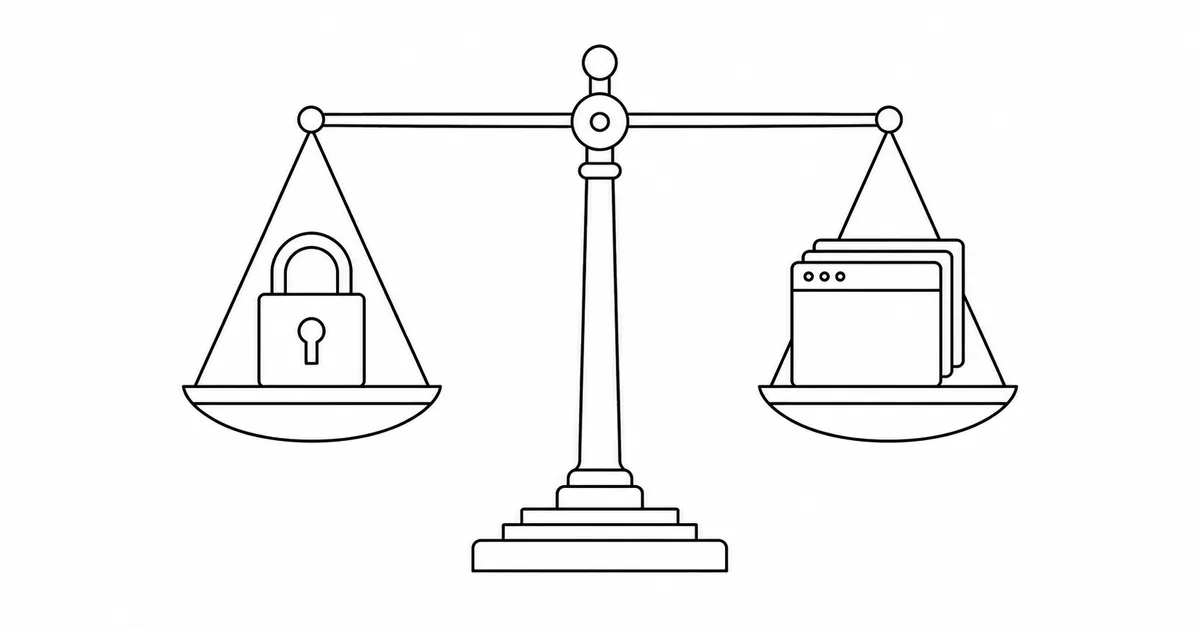
Omegle required no verification, enabling rampant bot infestation and predatory behavior until it shut down (Natterhub). Wixper's middle path demonstrates that safety and anonymity are not mutually exclusive when properly architected — behavioral verification signals expire with sessions, leaving no persistent identity record to leak or misuse.
Media Routing Architecture Determines Metadata Exposure
How audio and video streams travel between users fundamentally impacts what metadata platforms can collect regardless of encryption claims. Wixper uses peer-to-peer WebRTC with optional TURN relay fallback, ensuring media never touches central servers while providing IP masking for users who need it. Signaling data required for connection establishment is discarded immediately after handshake completion.
Most alternatives route media through centralized servers that inevitably log connection timestamps, durations, participant IP pairs, and bandwidth patterns (Security Boulevard). Centralized routing creates unavoidable surveillance points since operators must see traffic to forward it, and encryption protects content but not metadata — which often proves sufficient for identification through correlation attacks.
Business Model Alignment Determines Long-Term Trust
Privacy promises decay when business incentives conflict with user interests, making funding model analysis essential for evaluating long-term trustworthiness. Wixper offers a sustainable free tier supported by optional premium features that enhance convenience without compromising core privacy architecture.
Free ad-supported platforms face structural pressure to increase tracking depth and data retention as advertising rates decline or competition intensifies. Subscription and freemium models create accountability mechanisms absent in ad-supported services — paying users can demand transparency and vote with their wallets when trust erodes.
The Numbers Behind the Comparison
- 0 bytes retained by Wixper after session termination, versus 30–120 days for competitors (Bitdefender).
- 87% of free chat platforms embed third-party trackers, versus zero on Wixper (Security Boulevard).
- Zero external requests detected on Wixper during network audits, versus multiple on competing platforms (internal testing).
- P2P by default media routing on Wixper, versus centralized relays on most competing platforms.
How to Evaluate Any Alternative Yourself
- Verify retention through architecture, not policy. Marketing claims mean nothing without technical proof of zero retention.
- Reject ad-supported platforms for private conversations. Advertising business models inherently conflict with privacy regardless of stated commitments.
- Demand P2P media routing with IP masking. Centralized servers create unavoidable surveillance points.
- Choose graduated verification over binary choices. Safety and anonymity can coexist through behavioral attestation.
- Test claims independently before trusting. Use network monitoring tools to verify tracker absence and routing architecture.
This guide is for privacy-conscious users evaluating Omegle alternatives who want an evidence-based comparison beyond feature checklists. It may not be right for users prioritizing social features like friend lists or persistent profiles over privacy, since ephemeral architecture intentionally prevents these capabilities.
Frequently Asked Questions
Is Wixper completely anonymous compared to other Omegle alternatives?
Wixper provides stronger anonymity guarantees than alternatives through architectural enforcement rather than policy promises. Zero retention ensures no logs exist to link sessions to identities even under legal pressure. However, absolute anonymity is theoretically impossible online since ISPs see encrypted traffic patterns and device fingerprints may persist — Wixper minimizes practical identification risk to levels unmatched by retaining competitors.
How does Wixper moderation work without storing chat logs?
Wixper uses real-time behavioral analysis and human verification to prevent abuse during active sessions without retaining records afterward. Automated systems detect prohibited content patterns and disconnect violators instantly, while flagged interactions are assessed in volatile memory that clears upon session end.
Can I reconnect with someone I met on Wixper like other platforms?
Not by default, and this limitation is intentional. Reconnection features require persistent identifiers that undermine anonymity and create stalking vectors. Wixper's membership tier offers a limited, opt-in reconnect capability while keeping guest sessions fully ephemeral.
Does paying for Wixper Pro improve my privacy compared to the free tier?
No. Privacy architecture is identical across all tiers, ensuring zero retention, a tracker-free environment, and P2P routing for everyone. Premium features enhance convenience through reconnection tokens and gender filtering but never unlock superior privacy protections.
Your privacy shouldn't depend on choosing correctly among flawed options when you can choose a platform where safety is architecturally guaranteed. Try truly private anonymous chat today and experience the difference between marketed privacy and engineered safety.
References
- Bitdefender. (2022). Curious about Omegle? Here's how the roulette-style chat platform can threaten your online privacy and security. bitdefender.com
- Security Boulevard. (2025). The Best Omegle Alternatives: Through the Lens of Privacy, Moderation, and IAM. securityboulevard.com
- Federal Trade Commission. (2026). How Websites and Apps Collect and Use Your Information. consumer.ftc.gov
- European Data Protection Board. (2026). Guidelines 02/2026 on Anonymisation. edpb.europa.eu
- Natterhub. (2026). Omegle's privacy settings and safety settings explained. natterhub.com
This article is an editorial comparison based on publicly available information and independent testing. Platform features and policies may change over time — readers evaluating a specific alternative should verify its current practices directly before relying on any claim made here.