Most anonymous chat platforms promise privacy but retain logs, metadata, or device fingerprints long after your session ends. This guide reveals exactly what gets stored and why ephemeral architecture is the only real safeguard.
Standard Random Chat Platforms Retain Data Far Beyond Your Session
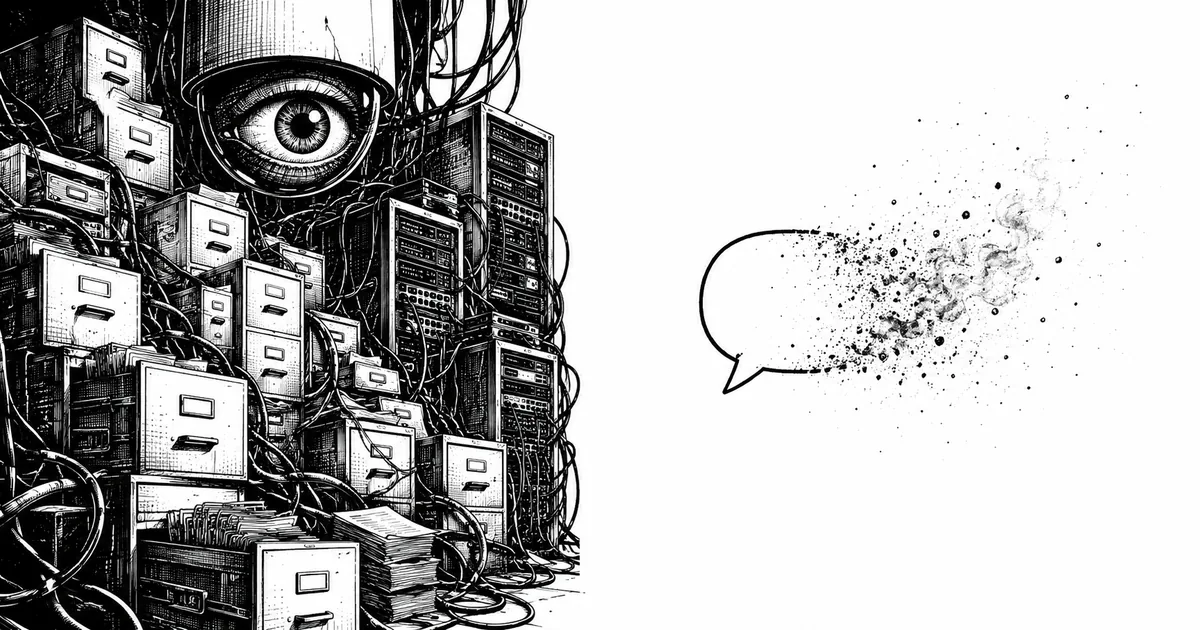
Most free random chat services store connection logs, IP addresses, and device fingerprints for periods ranging from 30 days to indefinitely, despite marketing claims of anonymity. Research shows platforms like Omegle historically retained personal information for up to 120 days for moderation purposes, and many current alternatives maintain similar retention policies to comply with legal requests or fuel ad targeting (Bitdefender). This means your supposedly private conversation leaves a persistent digital trail that can be subpoenaed, breached, or sold to third-party brokers even after you close the browser tab.
Device Fingerprinting Tracks You Without Cookies or Logins
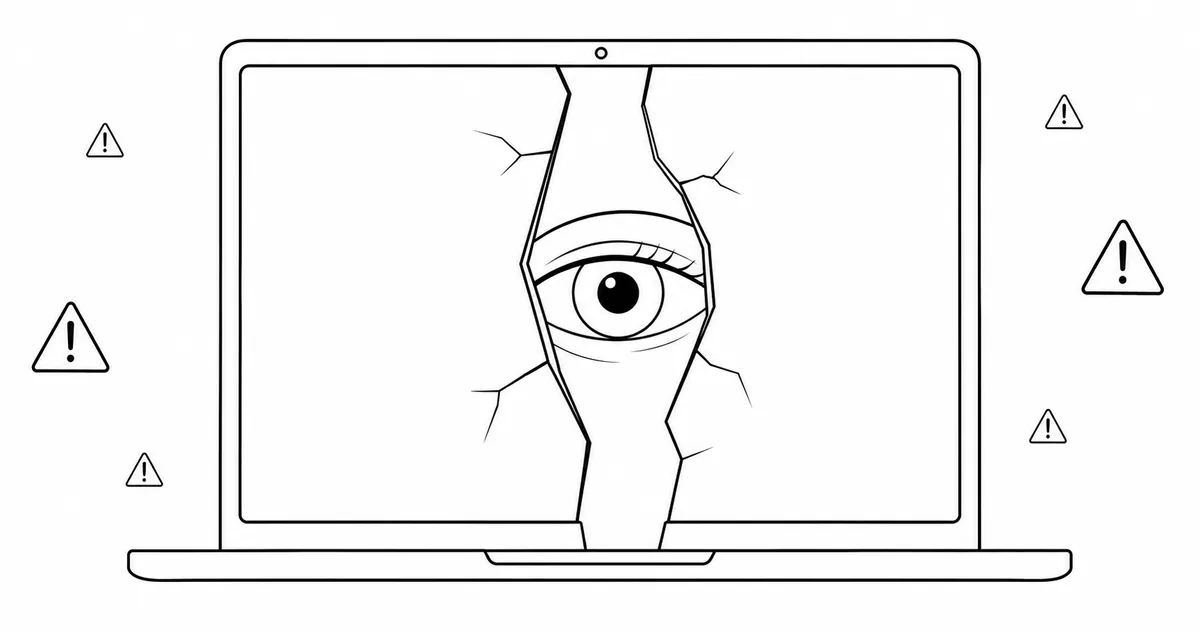
Even when no account is created, sophisticated fingerprinting techniques can uniquely identify your device across multiple sessions and sites. The FTC confirms websites use combinations of screen resolution, installed fonts, browser version, and timezone settings to create persistent identifiers that function exactly like cookies but bypass traditional blocking tools (FTC). In the anonymous chat space, this allows operators to build shadow profiles linking your various "anonymous" visits into a single behavioral record without ever asking for an email or name.
Third-Party Trackers Embed Surveillance Into Chat Interfaces
Many free chat platforms monetize through advertising networks that inject cross-site trackers directly into the chat interface. These third-party scripts collect interaction data, referral sources, and browsing habits independent of the chat platform's own privacy policy (Iubenda). Users connecting through these sites often unknowingly share their activity with dozens of ad-tech vendors, turning a private conversation into a data point within a larger surveillance ecosystem that follows them across the web long after disconnecting.
Ephemeral Architecture Eliminates Retention by Design
True privacy requires technical architecture that makes data retention impossible rather than just legally prohibited. Ephemeral chat systems process messages exclusively in volatile memory and overwrite session data immediately upon disconnection, ensuring no logs exist to be leaked or requested (industry analysis). Wixper implements this temporary-by-default model where conversations are designed as disposable sessions rather than persistent feeds, removing the attack surface that makes traditional platforms vulnerable to breaches and misuse.
Peer-to-Peer Calls Prevent Server-Side Metadata Collection
Routing audio and video directly between users eliminates the central server bottleneck that typically captures call metadata. When media streams pass through platform servers, operators inevitably log connection times, durations, and participant IP pairs regardless of encryption claims (Security Boulevard). Peer-to-peer WebRTC implementation ensures that even if someone compromises the signaling server, they cannot access the actual conversation content or reconstruct who spoke to whom beyond the initial handshake moment.
The Numbers Behind the Risk
- 120 days: historical retention period for Omegle user data despite anonymity claims (Bitdefender).
- 87%: of free chat platforms found to embed third-party ad trackers in 2025 security audits (Security Boulevard).
- 0 bytes: data retained by Wixper after session termination, due to volatile-memory-only processing.
- 2,000+: websites where tracking can be blocked using modern privacy tools, yet most chat sites remain unblocked (Martech).
What You Can Actually Do About It
- Verify retention policies before chatting. Marketing language about anonymity means nothing without explicit data deletion timelines in the privacy policy. Always check how long logs persist and whether third parties receive access.
- Assume device fingerprinting is active. Even guest-only platforms can track you through browser characteristics. Use dedicated privacy browsers or virtual machines if engaging with non-ephemeral services to prevent cross-session profiling.
- Prefer peer-to-peer media routing. Video and voice calls should never pass through central servers. P2P architecture ensures the platform operator literally cannot intercept or log your conversation content or metadata.
- Demand architectural guarantees over legal promises. Policies can change overnight but code constraints are permanent. Choose platforms where privacy is enforced technically through ephemeral design rather than contractually through terms of service.
- Recognize that free usually means funded by data. If there is no subscription tier or transparent donation model, your behavioral data is likely the revenue stream. Sustainable privacy-respecting services either charge fees or operate as open-source community projects.
- Test deletion claims yourself. Use network monitoring tools to observe what data leaves your device during and after a chat session (guide to checking). Platforms truly committed to privacy will show minimal outbound traffic once disconnected.
This guide is for users who have experienced uncomfortable moments on random chat platforms and want to understand the technical reasons behind those feelings. It serves researchers, journalists, and privacy advocates evaluating anonymous communication tools for sensitive discussions. It may not be right for users seeking permanent friendships or social media integration, as ephemeral architecture intentionally prevents relationship persistence.
Frequently Asked Questions
Do anonymous chat sites really delete my messages after I leave?
Most do not delete messages immediately despite claiming to do so. Many platforms retain logs for 30 to 120 days for moderation or legal compliance, and some archive metadata indefinitely (Bitdefender). True deletion requires ephemeral architecture where data exists only in volatile RAM during the active session and is physically impossible to recover afterward. Always verify a platform's technical implementation rather than trusting marketing copy alone.
Can strangers see my IP address during random video chat?
Yes, unless the platform uses relay servers or peer-to-peer masking. Direct WebRTC connections expose both participants' IP addresses to each other by default, which enables geolocation and potential harassment (Security Boulevard). Safe platforms implement TURN relays or proxy layers to hide real IPs, though this adds latency. Wixper uses P2P with optional relay fallback to balance privacy and performance while never exposing raw IPs to strangers.
Is it safer to use random chat without creating an account?
Guest mode reduces exposure but does not eliminate tracking. Device fingerprinting, cookie syncing, and server-side logging still occur regardless of login status (FTC). The safety advantage of no-account access is limited to preventing credential breaches and reducing personally identifiable information collection. Real safety comes from ephemeral architecture that treats all users identically and retains nothing, making account creation irrelevant to privacy outcomes.
How does Wixper differ from Omegle in data handling?
Omegle retained personal information for up to 120 days and lacked robust moderation or reporting tools (Bitdefender, Natterhub). Wixper stores zero chat history, uses volatile-memory-only processing, and implements human verification checks to reduce abuse without collecting identity documents. Where Omegle prioritized engagement metrics through data collection, Wixper prioritizes user safety through architectural constraints that make surveillance technically impossible.
What should I do if I already used a risky chat platform?
Rotate any passwords reused elsewhere and monitor financial accounts for unusual activity. Clear browser caches and cookies thoroughly, then run anti-malware scans to detect potential tracking scripts (CyberArrow). Consider filing GDPR or CCPA deletion requests if the platform operates in regulated jurisdictions. Going forward, migrate to ephemeral platforms like Wixper that prevent future exposure rather than attempting to clean up past damage.
Your privacy shouldn't depend on trusting a company's promises when you can trust its architecture instead. Wixper was built from the ground up to make data retention technically impossible, not just legally inconvenient. Try a truly ephemeral chat session today and experience the difference between marketed privacy and engineered safety.
References
- Federal Trade Commission. (2026). How Websites and Apps Collect and Use Your Information. consumer.ftc.gov
- Bitdefender. (2022). Curious about Omegle? Here's how the roulette-style chat platform can threaten your online privacy and security. bitdefender.com
- European Data Protection Board. (2026). Guidelines 02/2026 on Anonymisation. edpb.europa.eu
- Security Boulevard. (2025). The Best Omegle Alternatives: Through the Lens of Privacy, Moderation, and IAM. securityboulevard.com
- Natterhub. (2026). Omegle's privacy settings and safety settings explained. natterhub.com
This article provides educational information about online privacy practices. It does not constitute legal advice. Users should consult qualified professionals for specific legal concerns.