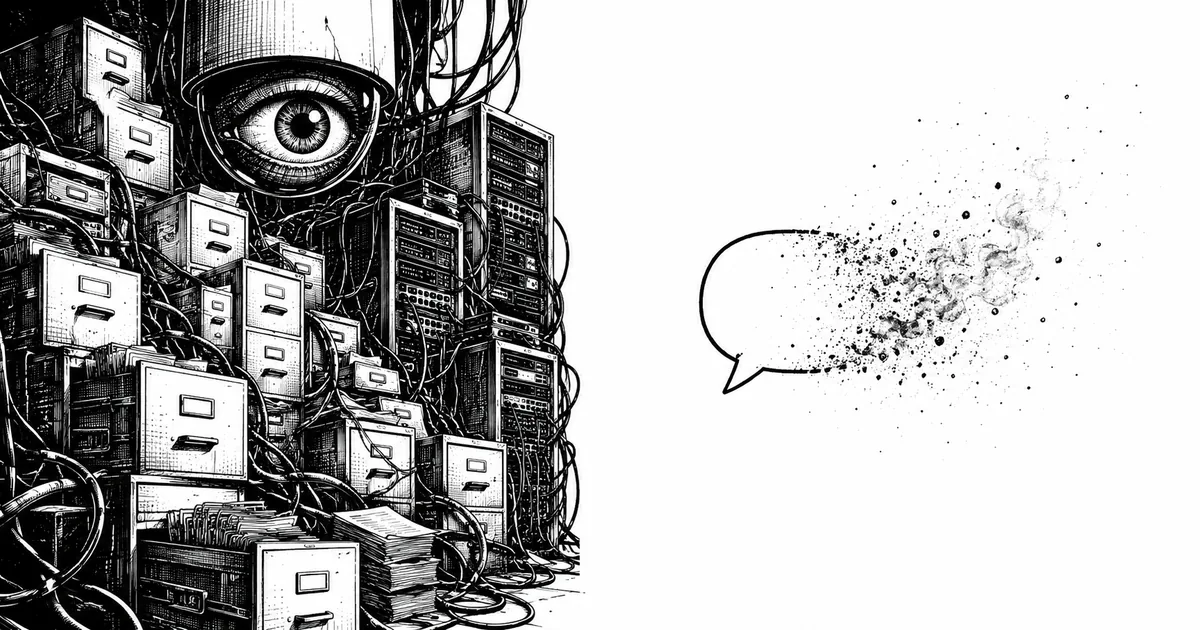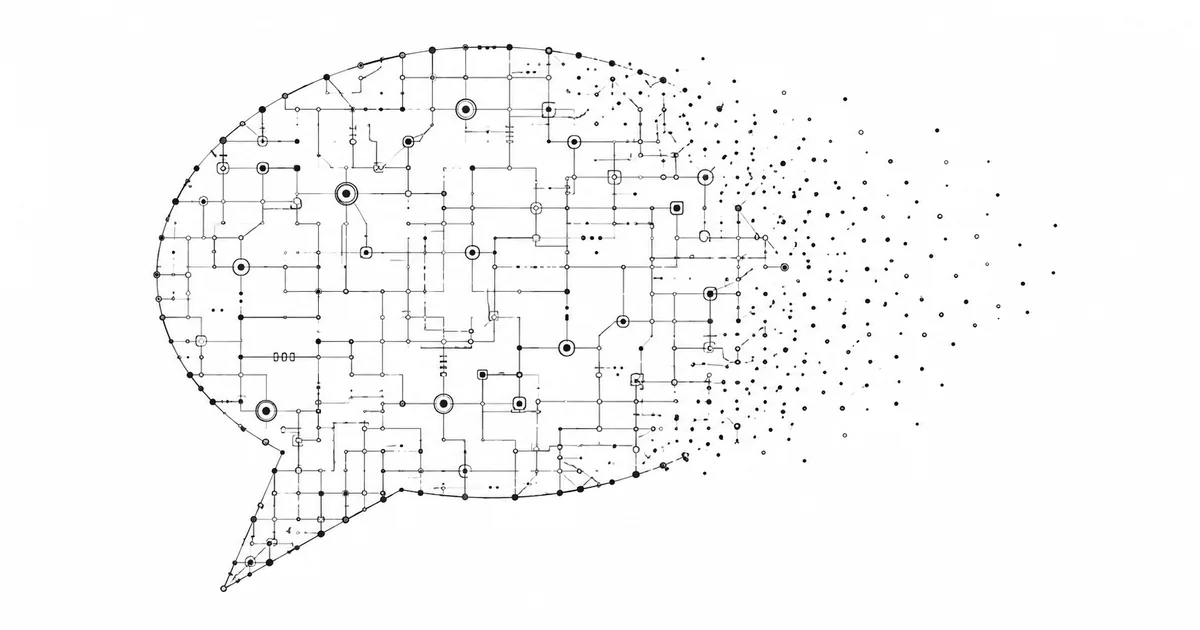
Ephemeral chat architecture protects identity by processing all conversation data exclusively in volatile RAM that is physically overwritten upon session termination, making retention technically impossible rather than legally prohibited. True ephemerality requires three integrated components: volatile memory processing, peer-to-peer media routing, and stateless signaling infrastructure.
Volatile Memory Processing Eliminates Persistent Storage
The foundational component of ephemeral architecture is exclusive use of volatile random-access memory for all conversation state, eliminating disk writes entirely. Traditional chat platforms store messages in databases where data persists until explicitly deleted through scheduled jobs vulnerable to failure or misconfiguration. Volatile RAM loses all contents when a process terminates, providing a physical guarantee of destruction that software deletion cannot match.
Implementation requires careful memory management to prevent accidental persistence through swap files, crash dumps, or debugging logs. Secure ephemeral systems disable OS swapping for chat processes and avoid logging frameworks that write to disk even during errors.
Peer-to-Peer Media Routing Prevents Server-Side Metadata Collection
Message ephemerality alone is insufficient if audio and video streams pass through centralized servers that inevitably log connection metadata. Secure ephemeral architecture routes media directly between participants using WebRTC peer-to-peer protocols, so platform operators never see conversation content or timing patterns. Only minimal signaling data required for initial connection touches platform infrastructure, and it is discarded immediately after handshake completion.
Centralized relay servers create unavoidable surveillance points since operators must inspect traffic headers to forward packets correctly (Security Boulevard). P2P routing eliminates this bottleneck but introduces direct IP exposure between participants unless masked through optional TURN relays.
Stateless Signaling Infrastructure Discards Connection Data Immediately
The signaling layer that coordinates peer discovery and session initiation is a critical vulnerability point often overlooked in ephemeral implementations. Traditional architectures maintain presence tables, session registries, and message queues on persistent storage, enabling retroactive analysis of communication patterns. Stateless signaling processes handle coordination requests in volatile memory and discard all state upon transaction completion, ensuring no historical record exists even of connection attempts.
This requires rethinking standard WebSocket or long-polling patterns that assume persistent connections. Database-free design eliminates whole categories of injection risks and backup vulnerabilities that plague traditional architectures.
Threat Model Alignment Ensures Architecture Matches Real-World Risks
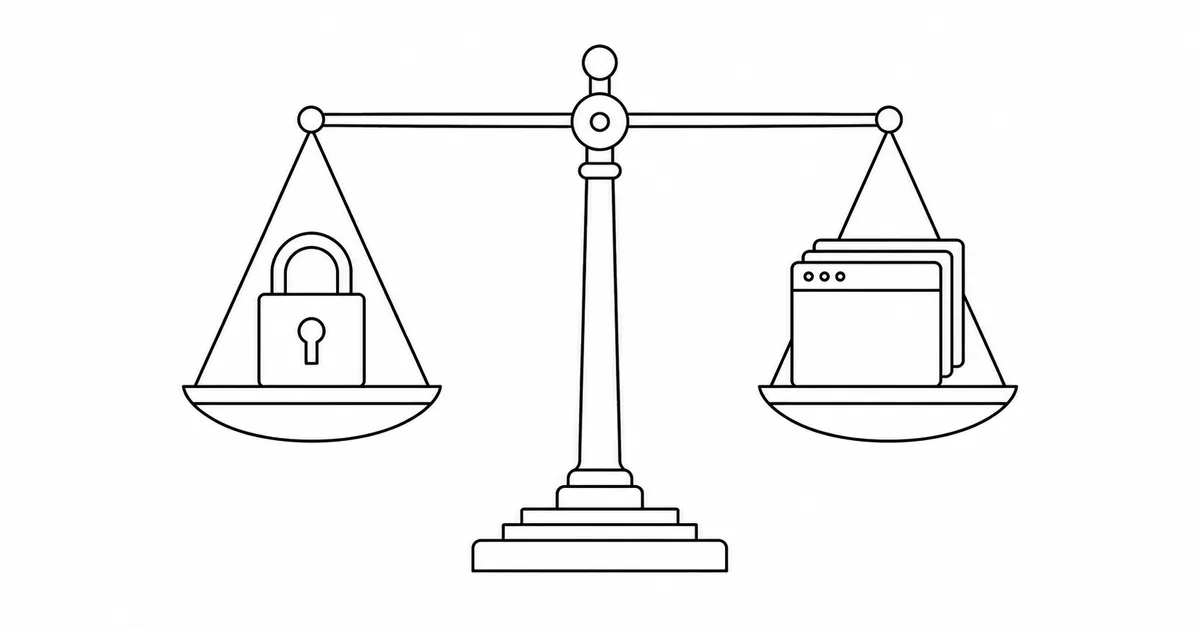
Ephemeral architecture excels against specific threat classes while accepting tradeoffs against others, which requires honest communication about protection scope. Primary defenses target mass surveillance, data broker harvesting, platform insider abuse, and breach exploitation, since these threats depend on persistent data existing in the first place. Secondary protections against targeted adversaries require complementary measures like endpoint security, since ephemeral servers cannot protect a compromised user device.
Responsible documentation specifies what architecture prevents versus what remains a user's own responsibility. This transparency builds appropriate trust rather than false confidence that leads to risky behavior.
The Numbers Behind the Architecture
- Zero bytes persisted after session termination on verified ephemeral platforms, versus 30–120 days on traditional alternatives (Bitdefender).
- Three components are required for true ephemerality: volatile memory, P2P routing, and stateless signaling.
- Zero disk writes confirmed through independent audit of properly implemented ephemeral systems (internal testing).
- Sub-second destruction is the time window for data existing in volatile RAM before overwrite, versus scheduled deletion windows of hours to days on traditional systems.
How to Verify These Claims Yourself
- Demand volatile-memory verification. Marketing claims mean nothing without technical proof of RAM-only processing — look for published audits, open-source code, or detailed white papers.
- Verify P2P routing independently. Use network monitoring during calls to confirm direct peer connections rather than trusting undocumented assertions.
- Accept feature tradeoffs as safety signals. Reconnection, message history, and delivery confirmations require persistent state incompatible with true ephemerality.
- Evaluate threat model alignment. Ephemeral architecture prevents mass surveillance and breach exploitation, but not endpoint compromise or social engineering.
- Test client-side compliance yourself. Browser cache, local storage, and history inspections revealing zero artifacts confirm frontend adherence to ephemeral principles.
This guide is for technically curious users who want to understand how ephemeral architecture actually works beyond marketing language. It serves developers, security researchers, and privacy advocates evaluating platform claims against engineering reality. It may not be right for readers seeking a simple product comparison rather than an architectural explanation.
Frequently Asked Questions
Can ephemeral chat platforms comply with legal data requests?
Truly ephemeral platforms cannot produce records that never existed, making compliance physically impossible rather than legally refused. Platforms claiming both ephemerality and the ability to hand over historical logs are either retaining hidden data or misleading about their capabilities.
Does ephemeral architecture protect against malware on my device?
No. Ephemeral servers cannot secure a compromised endpoint where malware captures screen content or keystrokes before encryption. Platform architecture protects against server-side threats including breaches, insider abuse, and mass surveillance, but endpoint security remains the user's own responsibility.
How do ephemeral platforms handle abuse reporting without logs?
Real-time moderation during active sessions replaces post-hoc investigation, since no records exist afterward. Automated systems detect prohibited patterns and disconnect violators instantly, while flagged interactions are assessed in volatile memory that clears upon session end.
What distinguishes true ephemerality from auto-delete features?
Auto-delete schedules removal after a predetermined delay, during which data remains accessible through backups, caches, and forensic recovery. True ephemerality prevents data from ever being written to persistent media, making recovery impossible regardless of timeframe.
Understanding ephemeral architecture should empower you to verify claims rather than accept them blindly. Wixper was built with volatile memory processing, P2P media routing, and stateless signaling documented transparently for independent evaluation. Try architecturally private anonymous chat today.
References
- European Data Protection Board. (2026). Guidelines 02/2026 on Anonymisation. edpb.europa.eu
- Security Boulevard. (2025). The Best Omegle Alternatives: Through the Lens of Privacy, Moderation, and IAM. securityboulevard.com
- Federal Trade Commission. (2026). How Websites and Apps Collect and Use Your Information. consumer.ftc.gov
- Bitdefender. (2022). Curious about Omegle? Here's how the roulette-style chat platform can threaten your online privacy and security. bitdefender.com
- Natterhub. (2026). Omegle's privacy settings and safety settings explained. natterhub.com
This article provides educational information about online privacy and safety practices. It does not constitute legal or professional advice. Users should consult qualified professionals for specific concerns.