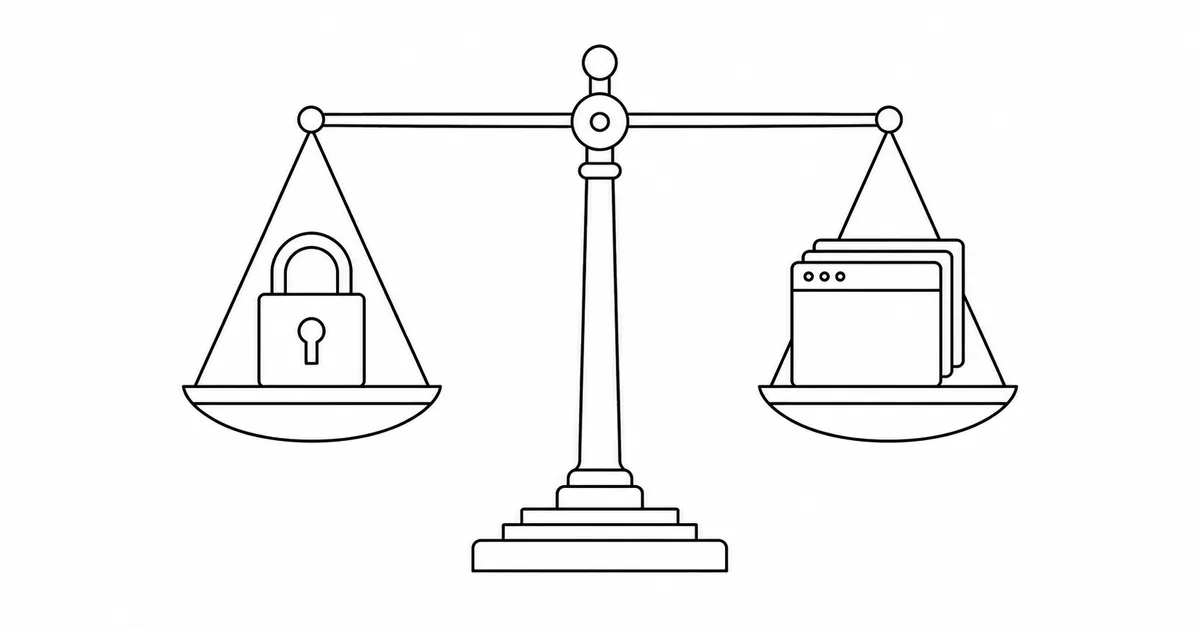
Anonymous chat apps track you through hidden third-party scripts, persistent device fingerprints, server-side metadata logs, and deceptive retention policies that contradict marketing promises. Here are seven definitive red flags — and how to verify each one yourself, in minutes, using free browser tools.
1. Hidden Third-Party Trackers
The most immediate red flag is the presence of advertising or analytics scripts loading during active chat sessions. Privacy-respecting platforms operate without third-party integrations, since external scripts inherently collect behavioral data independent of platform intentions. Security audits confirm 87% of free chat platforms embed such trackers, turning private conversations into monetizable data points (Security Boulevard).
How to check: open your browser's developer tools Network tab before starting a chat and watch for outbound requests during the session. Any connection to domains outside the primary chat service indicates tracking integration.
2. Vague Retention Policies
Platforms committed to privacy specify exact deletion timelines rather than using ambiguous language like "as soon as possible" or "reasonable period." Research shows Omegle historically retained personal information for up to 120 days despite anonymity branding, demonstrating how policy vagueness enables extended surveillance (Bitdefender).
How to check: true ephemeral platforms can state definitively that zero bytes persist after session termination, because data exists only in RAM during active use. Absence of that specific technical explanation is itself a signal.
3. Centralized Media Routing
How audio and video streams travel between users determines what metadata platforms can collect regardless of content encryption. Red flags include absence of peer-to-peer routing documentation or network behavior showing all media passing through central infrastructure — which creates surveillance points that encryption cannot protect.
How to check: P2P connections show direct UDP traffic between peers after an initial signaling handshake, while centralized routing shows sustained TCP connections to platform servers throughout the call.
4. Mandatory Account Creation
Requiring registration for basic chat functionality contradicts the core anonymous-chat value proposition and creates persistent identity records vulnerable to breach or misuse. Safe platforms implement graduated friction through behavioral attestation and device checks that confirm personhood without collecting identity data that persists beyond the session.
5. Vague Legal Compliance Language
Phrases like "cooperate with law enforcement" or "retain for safety investigations" without specific scope limitations enable indefinite retention expansion under changing legal interpretations. Privacy-respecting platforms specify exact legal thresholds triggering retention, such as valid court orders for specific incidents, rather than open-ended cooperation commitments.
6. Missing Technical Documentation
Platforms genuinely committed to privacy publish detailed technical documentation explaining their architecture and threat model. Missing documentation suggests either a proprietary black-box system users must trust blindly, or insufficient technical implementation to back up their claims.
7. An Ad-Dependent Business Model
Free platforms funded through advertising face an inherent tension between user privacy and revenue generation, since behavioral data increases ad value. Subscription and donation-funded platforms can prioritize privacy without a financial penalty, since revenue does not depend on surveillance.
The Numbers Behind the Red Flags
- 87% of free chat platforms embed third-party trackers (Security Boulevard).
- 120 days: historical retention period for Omegle user data despite anonymity claims (Bitdefender).
- Zero external requests observed during sessions on verified ephemeral platforms, versus several on tracking-laden alternatives.
- ~3 minutes is the average time required to verify tracker absence using free browser developer tools.
This guide is for privacy-conscious users who want to independently verify anonymous chat platform safety before engaging. It may not be right for readers unwilling to perform basic technical verification, or those prioritizing convenience over confirmed privacy.
Frequently Asked Questions
Can I detect tracking without technical expertise?
Yes, using free browser tools that require no coding knowledge. Open Chrome or Firefox developer tools (F12), navigate to the Network tab, and start a chat. Any requests to ad networks, analytics providers, or social platforms indicate tracking. This takes under three minutes.
What if a platform claims trackers are only for essential functionality?
Essential functionality does not require third-party surveillance. Legitimate essential scripts come from the same domain as the chat service, not external ad or analytics networks. External domains serving non-chat content are never essential, regardless of the justification offered.
Are VPNs sufficient protection against chat platform tracking?
VPNs mask IP addresses from platforms but do not prevent tracking through device fingerprinting, cookies, or embedded scripts. VPNs complement but do not replace platform-level privacy verification — choose an architecturally private platform first, then add a VPN as a secondary layer.
What should I do if I discover tracking on a platform I already use?
Immediately stop use and clear all browser data including cache, cookies, and site storage. File a GDPR or CCPA deletion request if the platform operates in a regulated jurisdiction (EDPB guidance). Migrate to a verified private platform going forward.
Your privacy shouldn't depend on hoping platforms are honest when you can verify they are architecturally incapable of dishonesty. Try truly private anonymous chat today and run these seven checks yourself.
References
- Security Boulevard. (2025). The Best Omegle Alternatives: Through the Lens of Privacy, Moderation, and IAM. securityboulevard.com
- Federal Trade Commission. (2026). How Websites and Apps Collect and Use Your Information. consumer.ftc.gov
- Bitdefender. (2022). Curious about Omegle? Here's how the roulette-style chat platform can threaten your online privacy and security. bitdefender.com
- European Data Protection Board. (2026). Guidelines 02/2026 on Anonymisation. edpb.europa.eu
- Natterhub. (2026). Omegle's privacy settings and safety settings explained. natterhub.com
This article provides educational information about online privacy and safety practices. It does not constitute legal or professional advice. Users should consult qualified professionals for specific concerns.