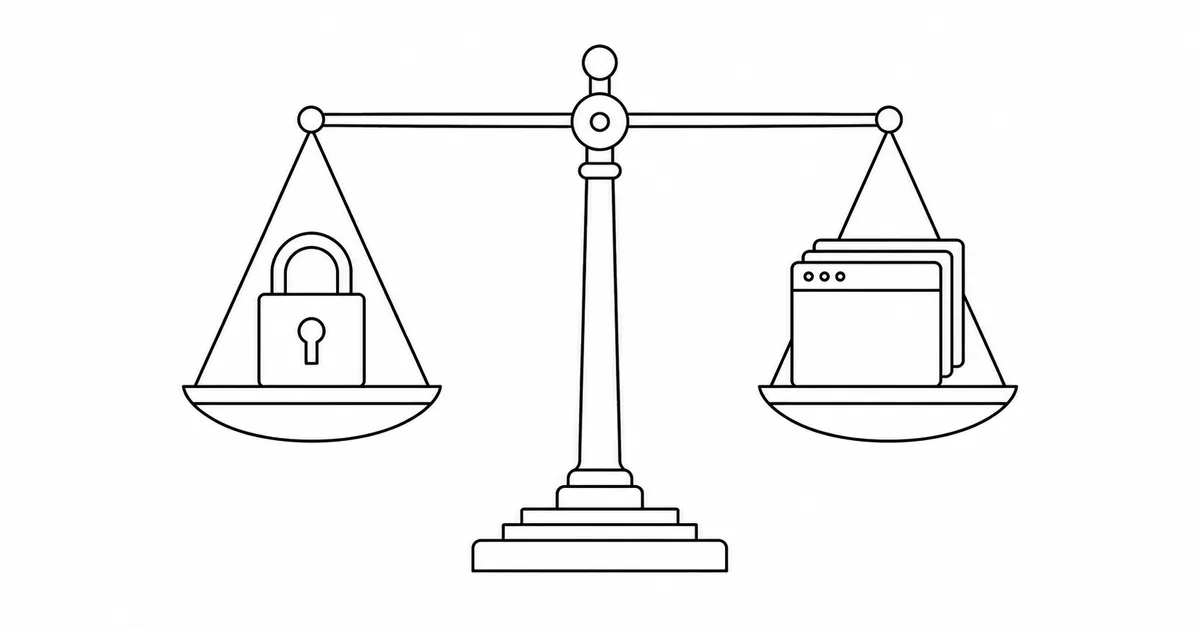
Talking to strangers safely online requires combining interpersonal awareness with technical safeguards that prevent data leakage and identity exposure. The most effective approach uses ephemeral platforms where conversations disappear by design, avoids sharing any personally identifiable information even indirectly, and establishes clear boundaries before engaging deeply.
Choose Platforms Where Privacy Is Engineered, Not Promised
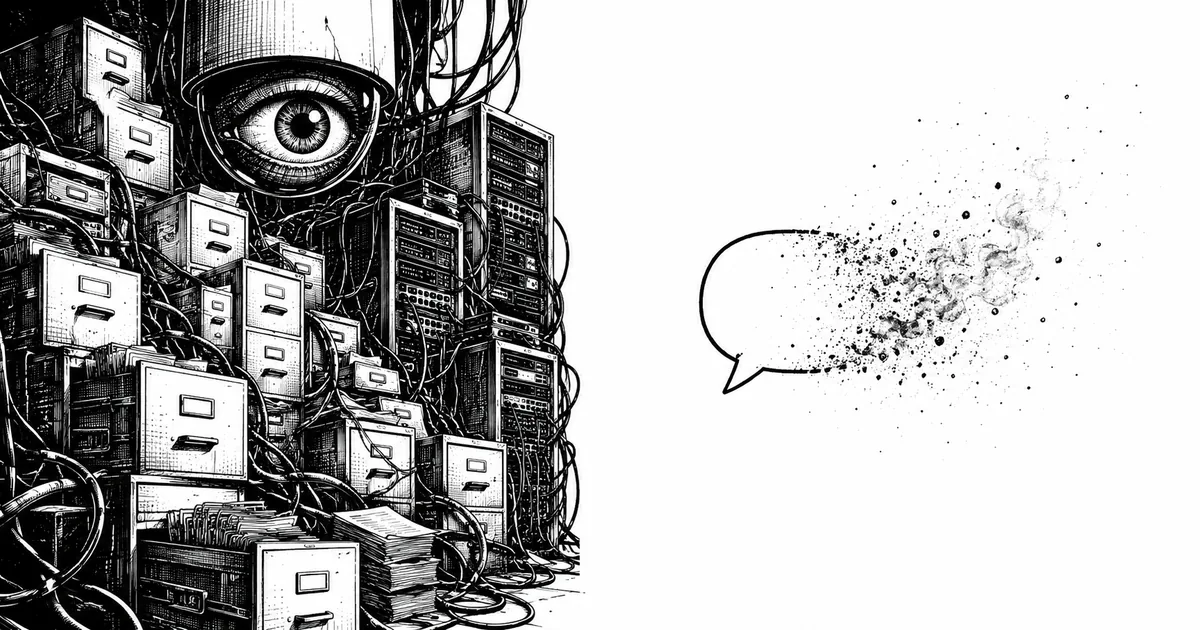
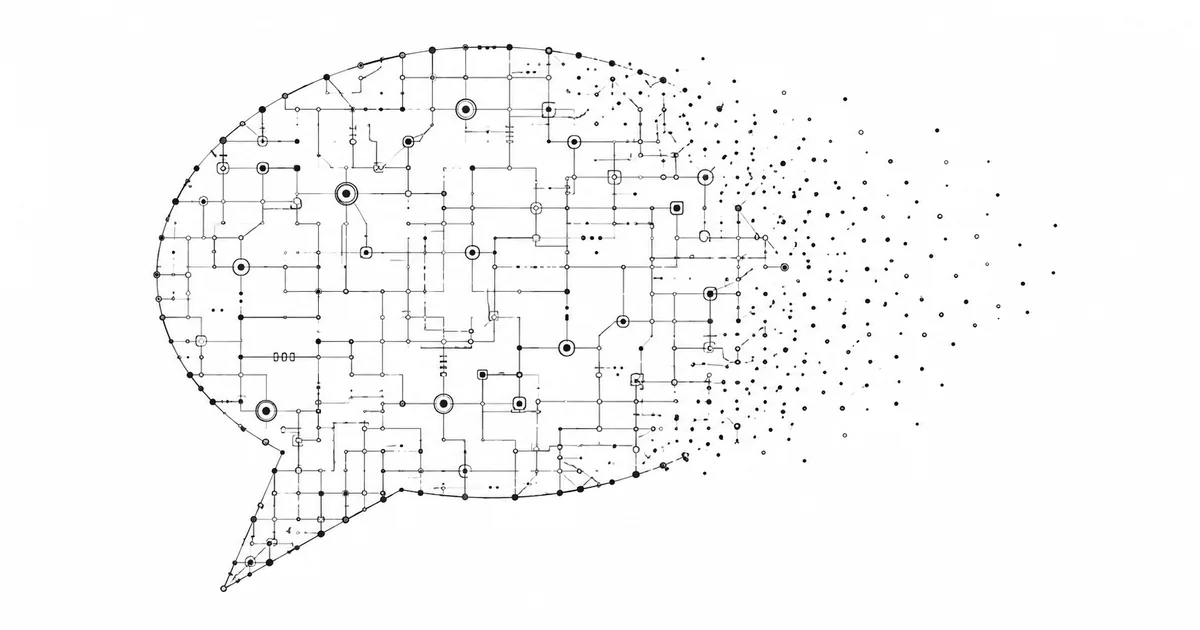
The foundation of safe stranger conversation is selecting a platform where privacy is enforced through code rather than promised through policy. Ephemeral architecture ensures conversations exist only in volatile memory during the active session and are physically impossible to recover afterward. Platforms retaining logs for moderation or legal compliance create inherent vulnerability even when they claim anonymity — services like Omegle historically retained personal information for up to 120 days, contradicting public safety messaging (Bitdefender).
Establish Boundaries Before Sharing Personal Details
Safe conversation begins with explicit boundary-setting before any personal disclosure occurs. Define internally what topics are off-limits — location, workplace, school, family names, or social media handles — before connecting. Personal details also leak indirectly through contextual clues even when not stated explicitly: local landmarks, regional slang, or background sounds can enable identification through correlation, so conscious awareness of these indirect vectors matters as much as avoiding direct disclosures.
Recognize Manipulation Tactics Unique to Anonymous Environments
Anonymous chat attracts manipulative actors who exploit the lack of accountability and permanence. Common tactics include love bombing to accelerate trust, sob stories to elicit sympathy, false urgency to bypass rational decision-making, and pressure to move the conversation to another platform or share compromising content. Legitimate strangers seeking genuine conversation respect pacing and boundaries without exception — any attempt to accelerate intimacy or extract information should trigger immediate disconnection.
Use Technical Tools to Reduce Exposure Surface
Beyond platform selection, individual technical practices significantly impact safety outcomes. Dedicated privacy browsers prevent fingerprinting and isolate chat activity from your primary digital identity. Network monitoring tools reveal hidden trackers and unexpected data exfiltration, letting you verify platform claims independently. For voice and video calls, ensure peer-to-peer routing with IP masking is active to prevent direct location exposure.
Exit Gracefully When Something Feels Wrong
Intuition is a valid safety signal that deserves immediate action without justification. Graceful exit does not require announcement or apology — simply closing the tab or clicking skip ends the session instantly on ephemeral platforms. Precommitting to disconnect upon any discomfort removes decision fatigue in the moment; safety always outweighs politeness with strangers who have no stake in your wellbeing.
The Numbers Behind the Guide
- 0 bytes retained by Wixper after session termination, enabling truly consequence-free exit.
- 87% of free chat platforms embed third-party trackers that undermine individual privacy efforts (Security Boulevard).
- 120 days: historical retention period for Omegle user data, showing policy promises fail without architectural enforcement (Bitdefender).
- 3x more metadata generated by video chat than voice, increasing exposure surface significantly.
A Practical Safety Checklist
- Verify architecture before trusting promises. Choose platforms where privacy is enforced through code, not legal agreements.
- Set boundaries internally before connecting. Predetermined limits and exit strategies reduce decision fatigue during live interactions.
- Assume all strangers test limits. Immediate disconnection upon red flags is always appropriate regardless of context.
- Layer technical controls with interpersonal awareness. Combine ephemeral architecture with privacy browsers and calibrated intuition.
- Exit silently and without explanation. Closing the tab is sufficient and safer than providing additional data through goodbyes.
This guide is for people new to anonymous chat, or returning after a negative experience, who want a practical safety framework combining technical and interpersonal strategies. It may not be right for those seeking permanent relationships, since ephemeral architecture intentionally prevents persistence.
Frequently Asked Questions
How do I know if an anonymous chat platform is actually safe?
Verify technical architecture through transparency reports or independent security context rather than trusting marketing claims. Safe platforms use ephemeral processing where data exists only in volatile RAM during sessions. Policy promises without technical enforcement are insufficient given historical failures like Omegle's 120-day retention (Bitdefender).
What personal information is safe to share with strangers online?
No personally identifiable information is safe to share, including indirect identifiers like location hints or workplace details. Share opinions, interests, and experiences that cannot be mapped to a real-world identity. Authentic connection does not require personal revelation.
How do I handle someone asking for photos or videos?
Decline immediately and disconnect without explanation. Requests for visual content are a universal red flag in anonymous chat regardless of framing. Ephemeral platforms make refusal costless since there is no relationship to preserve.
Can I trust my instincts if I cannot articulate why something feels wrong?
Yes. Intuition processes subtle cues faster than conscious reasoning and deserves immediate action without justification. Precommitment to disconnect upon any discomfort removes the need for rationalization in the moment.
Safety should not require expertise or constant vigilance when you can choose a platform where protection is built into every interaction. Try a truly private chat today.
References
- Federal Trade Commission. (2026). How Websites and Apps Collect and Use Your Information. consumer.ftc.gov
- European Data Protection Board. (2026). Guidelines 02/2026 on Anonymisation. edpb.europa.eu
- Security Boulevard. (2025). The Best Omegle Alternatives: Through the Lens of Privacy, Moderation, and IAM. securityboulevard.com
- Bitdefender. (2022). Curious about Omegle? Here's how the roulette-style chat platform can threaten your online privacy and security. bitdefender.com
- Natterhub. (2026). Omegle's privacy settings and safety settings explained. natterhub.com
This article provides educational information about online safety practices. It does not constitute professional counseling or legal advice. Readers experiencing distress should contact qualified support services.